
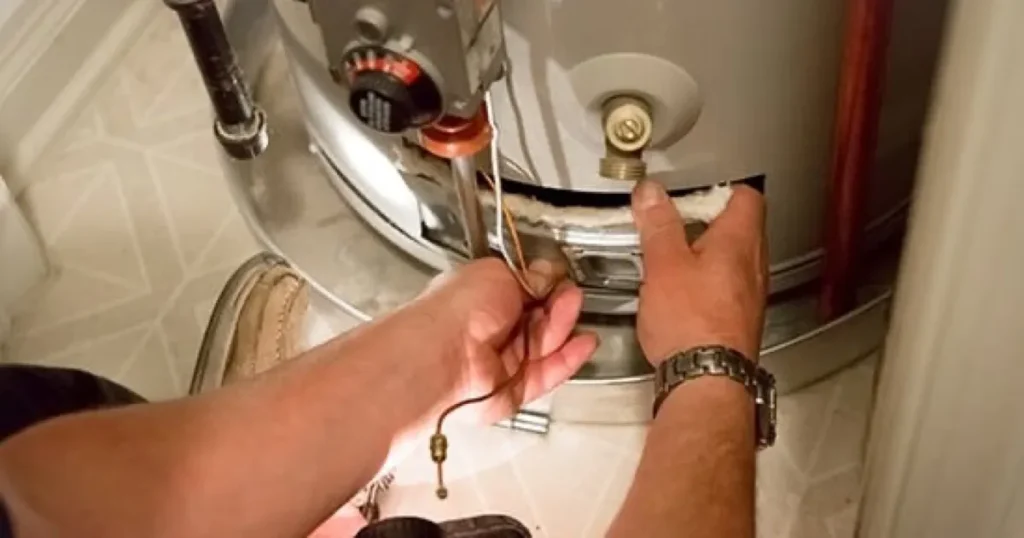
If you have kids and a spouse fighting over a limited hot water supply in the morning, you’re not alone. Many families have to contend with a limited hot water supply due to their reliance on traditional water heaters.
As more homeowners in the Pacific Northwest transition toward better energy efficiency, the popularity of tankless water heater installations is growing. Before you make the switch, it’s essential to carefully weigh the pros and cons of each water heater option.
The Case for Tankless Water Heaters
Tankless water heaters have one major difference from traditional water heaters. They don’t rely on a tank to store hot water. Because of this, you can enjoy on-demand hot water. Even if your family members take back-to-back showers, you never have to worry about running out.
Besides enjoying the on-demand water heater benefits, you can also take advantage of the space-saving design and enhanced lifespan. These units take up less space in Portland’s basements and garages because of how they are mounted on walls. As a result, you can maximize your square footage.
Tankless units only have to produce hot water when they are on instead of storing hot water until it is used. Because of this, they can significantly reduce your energy bills.
The Case for Traditional Tank Water Heaters
While there are many advantages of a tankless water heater installation, there are also some benefits to getting a tank water heater. One of the most important advantages is the installation cost. Standard water heater replacements are much cheaper than retrofitting your home for a tankless unit.
If your home is already outfitted with a standard tank unit, the installation process will be much easier. You won’t have to install new gas lines or venting, so the overall installation should be faster.
It should also be noted that traditional units may be a better option for large families. They have a higher flow rate and are better at maintaining pressure, so you’ll have an easier time running a dishwasher, shower, and washing machine at the same time.
Portland Specifics: Water Quality and Rebates
Before deciding on your next electric or gas water heater upgrade, there are a few Portland-specific considerations to understand as well. Because Portland receives water from the Bull Run Watershed, we have soft water. This matters because hard water is the leading killer of tankless units.
Before getting new water, it’s important to review local incentives as well. Homeowners can take advantage of federal tax credits and savings from the Energy Trust of Oregon when they get a water heater replacement in Portland. Energy-efficient water heaters, like tankless units, are often eligible for rebates and incentives, which can decrease the overall cost involved in retrofitting your home for a tankless water heater.
Making the Final Decision: A Quick Checklist
Each home and family is unique, so you have to consider your family’s specific budget, space requirements, and usage patterns. If you are still uncertain about which water heater to get, you can always schedule a professional water heater consultation and get expert advice about the best options for your family.
- Budget: First, you should consider your budget requirements. Tankless units offer more long-term savings, but they cost more upfront. You should also calculate potential rebates and incentives in your upfront estimates. Additionally, you should remember your long-term plans as well. If you plan on moving in the near future, you’ll likely want the unit that has the lower upfront cost.
- Space: Homes that have a limited amount of space may want to install a tankless unit. If you have extra space and aren’t worried about a bulkier setup, a tank water heater may be an effective option.
- Usage: If your family frequently runs out of water and you’re tired of cold showers, a tankless unit may be the best course of action. However, you should also consider the water pressure you need. If you frequently run multiple plumbing appliances at once, you may need a tank water heater.
Why Choose Central Air Heating, Cooling & Plumbing for Your Plumbing Upgrade
When local residents need a tankless water heater installation, they turn to our team for a few key reasons.
- Expert Sizing: When we give you an estimate, it isn’t just an educated guess. We carefully calculate your required flow rate, so your new unit is the exact match for your family’s needs.
- Full Service: Whether you need help installing gas piping, updating your venting, or disposing of your old tank, we can handle it all.
- Local Trust: Local homeowners trust us because we aren’t some fly-by-night company that is here today and gone tomorrow. Our team has upgraded plumbing systems in Southwest Portland, Beaverton, Clackamas, and neighborhoods across Portland for years. Residents know that when they have an emergency, there’s one team they can trust to show up at any time of the day or night.
FAQs: Water Heater Upgrades
To help you decide between a tankless water heater installation and a traditional water heater, we’ve compiled a list of the most frequently asked questions.
How much more expensive is a tankless water heater?
When considering the tankless vs. tank water heater cost, there are a few factors that weigh heavily. The complexity of the installation and equipment cost impact the overall price. Typically, tankless water heaters tend to cost more. However, they also tend to use less energy in the long run. You may also be able to defray some of the upfront cost through Energy Trust of Oregon water heater rebates.
Will a tankless heater work with my current gas line?
It’s a good idea to schedule a consultation to see if your existing gas line is enough. Tankless units require a higher immediate BTU output, which existing gas lines may not have the sizing to support. Because of this, you’ll generally need to upgrade your gas line as part of your tankless water heater installation process.
How long does a water heater replacement take?
The overall timeline can vary based on the type of water heater you want and the type you currently have. If you are converting your existing tank heater to a tankless water heater, it may take a full day because of the venting and piping adjustments needed. In comparison, swapping out the same style of water heater for another normally takes just a few hours to complete.
