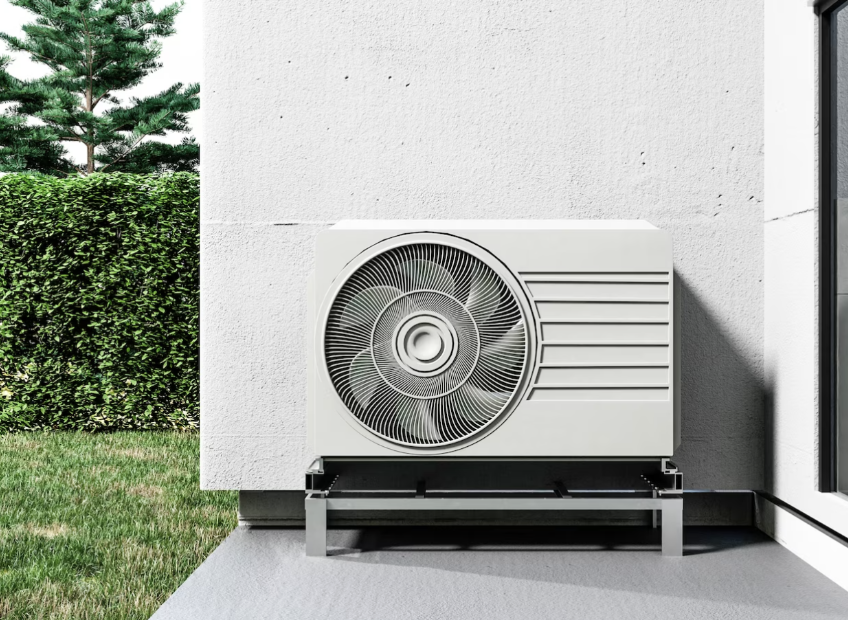
The heat pump is an integral part of your heating and cooling system. Similar to a central HVAC setup, heat pumps can cool your residence in the summer and provide heating in the winter. During colder months, they pull heat from the outdoor air and transfer it indoors. During warmer months, the process reverses to remove heat from indoor air.
So what makes heat pump installation a good idea for Portland homeowners? Heat pumps transfer heat rather than generating it, making them a more energy-efficient option that can save you money on monthly energy bills. They also tend to provide more consistent temperatures than furnaces or air conditioners alone, creating better overall comfort throughout the residence.
Understanding the Lifespan of a Heat Pump
Heat pumps have different life expectancies depending on several factors, including the type and location of the unit, as well as how well the unit is maintained. Typically, the average heat pump lasts between 13-18 years. However, the more modern units on the market today tend to last longer than older models.
Regular maintenance should be performed twice a year on your heat pump at the beginning of the heating and cooling seasons, respectively.
Signs That Your Heat Pump Needs Repair
A heat pump will likely need service well before it reaches its full expected lifespan, especially if it has not been maintained regularly. Here are some warning signs that your heat pump needs to be repaired or replaced.
Increased Energy Bills
It may be time to take a closer look at your system if you suddenly see a spike in your energy bill despite not changing your usage patterns. In some cases, a simple air filter replacement can improve airflow and efficiency, solving the problem. In other cases, a professional HVAC technician may need to diagnose a deeper issue like a failing compressor or refrigerant leak.
Strange Noises
A loud noise may indicate a problem, but it does not necessarily mean the unit needs replacement. Most noise issues can be resolved by tightening fan blades, leveling the outdoor unit, and securing loose screws or panels. However, grinding, screeching, or banging sounds warrant immediate professional inspection.
Uncomfortable Temperatures
Is cold air coming from your system when you are trying to heat the residence? You might have a problem with the electronic control board assembly or a stuck reversing valve. If you are unsure, reach out for professional heat pump repair in Portland to diagnose and resolve the issue.
Short Cycling
You may notice that your system is cycling on and off more frequently than normal. This is known as short cycling. Until the unit is repaired, you will experience poor efficiency. The equipment will also wear out much sooner than it should, meaning you may face a premature replacement.
Poor Airflow
A dirty filter could mean your blower motor is causing reduced airflow. As dust builds up within the system over years of regular use, the blower motor can malfunction. Contact a technician for a professional inspection if airflow feels noticeably weaker than usual.
Won’t Turn On
Trouble turning on the system could indicate a malfunctioning thermostat or tripped circuit breaker. Ensure your thermostat is set to the proper temperature and that all breakers are switched on. If the problem persists, call a licensed HVAC technician for diagnosis.
Poor Air Quality
A decrease in indoor air quality could indicate that your system is not filtering and circulating air as effectively as it should. Dust, allergens, or stale air throughout the residence are signs that the unit needs professional attention.
Frequent Repairs
A frequent need for service calls could indicate that your heat pump has reached the end of its life cycle and needs to be replaced. If repair costs are adding up, ask a licensed HVAC technician to evaluate whether replacement makes more financial sense.
When to Consider Replacement Over Repair
A heat pump problem deserves a clear diagnosis before you decide on a replacement. Our team considers the equipment’s condition, repair history, warranty coverage, and repair cost to help you choose a practical next step. Here are scenarios where replacing your heat pump is the smarter choice.
Presents a Safety Risk
An all-electric heat pump uses electricity and refrigerant to move heat. It does not burn fuel or produce carbon monoxide through combustion during normal operation.
A suspected refrigerant leak still needs prompt professional attention. A technician should locate the leak, inspect the affected components, and determine whether repairs can restore safe, reliable operation. A leak alone does not mean the entire heat pump needs to be replaced.
Carbon monoxide requires a separate emergency response. Fuel-burning equipment, including a gas furnace paired with a heat pump, a fireplace, or a water heater, can be a source of CO. Generators and vehicle exhaust can also create a hazard.
If a CO alarm sounds or you suspect CO exposure, follow the CPSC’s emergency guidance: get everyone outside immediately and call 911 from a safe location outdoors. Don’t stay inside to investigate or adjust equipment. Remain outside until emergency responders say it is safe to return. Arrange contractor follow-up only after clearance, and do not use any appliance identified as the source until a qualified technician has inspected it and completed the necessary repairs.
Malfunctioning During a Cold Front
Losing heat during a Portland cold snap needs prompt attention, but it does not automatically mean you need a new system. Heat pump heating problems can involve restricted airflow, thermostat faults, refrigerant loss, or a malfunctioning defrost system.
Our technicians can diagnose the problem and check whether the heat pump and any backup heating are operating correctly. Repair may make sense when the fault is isolated, and the equipment is otherwise in good condition. Replacement may be worth considering when repeated failures, major repair costs, or insufficient heating capacity make the existing system a poor fit for your home.
If indoor temperatures become too cold to stay safely, move to a warm location while service is arranged. The immediate priority is your household’s safety, followed by a repair or replacement recommendation based on the findings.
Frequently Asked Questions
When should I repair vs. replace my heat pump?
If the repair cost approaches half the price of a new system, or if the unit is older than 15 years and breaking down frequently, replacement is typically the better long-term investment. A qualified technician can assess the condition of your system and provide an upfront quote for both options.
Why is my heat pump not heating?
A heat pump that blows cold air in heating mode may have a stuck reversing valve, low refrigerant, a faulty defrost cycle, or a thermostat issue. Some of these are straightforward repairs, while others may indicate a larger problem. Schedule a professional diagnosis to pinpoint the cause.
How often should I service my heat pump in Portland?
We recommend professional maintenance twice a year, ideally in the spring and fall. Portland’s wet winters can cause debris buildup and moisture-related wear, making regular service especially important in our climate.
Recognize the Signs of Heat Pump Failure and Get Help Today
Heat pumps benefit greatly from regular maintenance. This can prevent unexpected breakdowns and give you peace of mind. At Central Air Heating, Cooling & Plumbing, our team of professionals can assist you with installing heating and cooling systems in Beaverton City and throughout the Portland Metro. As Portland’s highly-rated heat pump installer, we provide our clients with a quality and stress-free experience.
Count on Central Air Heating, Cooling & Plumbing for reliable heat pump installation in Portland. Since 2001, we have consistently provided exceptional results as a locally owned and operated company. Contact our professional team today to learn how we can optimize the performance of your heat pump.