
Living a healthy life is influenced by the quality of the air we breathe indoors. Having cleaner indoor air improves brain function, reduces the spread of other respiratory diseases, protects against outdoor pollutants such as smog and smoke, and reduces the severity of asthma and allergies.
Surprisingly, air quality is usually more problematic inside than outside because sunlight and airflow naturally reduce microorganisms and allergens. The health risks associated with indoor air quality are often overlooked.
At Central Air, we know how important clean air is to you, your family, and your health. Here are some tips to help you improve your indoor air quality as a homeowner from our indoor air quality experts.
Why Indoor Air Quality Matters in Portland Homes
The quality of indoor air is a global issue. Air pollution may cause respiratory illnesses, heart disease, cognitive deficits, cancer, and other health problems, both short- and long-term. According to the World Health Organization, an estimated 3.8 million people die each year worldwide from illnesses caused by dirty stoves and heating sources.
Indoor air problems can come from:
- pollutant sources
- limited ventilation
- moisture
- particles
- smoke
- combustion appliances
- cleaning products
- building materials
- pets
- outdoor air that enters the home
For Portland homeowners, indoor air can change by season. Spring pollen can load filters faster. Wildfire smoke can make outdoor-air ventilation a poor choice on certain days. Damp weather can make moisture control more important. Older homes may also have ductwork, basements, crawlspaces, or ventilation patterns that affect how air moves through the house.
If you notice musty odors, frequent dust, uneven airflow, allergy irritation, lingering smoke smell, or rooms that feel stale, it may be time to look at the home as a whole system instead of treating each symptom on its own.
How To Improve Indoor Air Quality at Home
The EPA describes three basic strategies for improving indoor air quality: source control, ventilation, and filtration. For homeowners, that means reducing pollutants where they start, bringing in outdoor air when conditions are safe, and using HVAC filters or air cleaners to help reduce particles.
Reduce Indoor Pollution Sources
Vacuum and dust regularly, keep shoes near the door, use kitchen and bathroom exhaust fans, store paints and chemicals properly, and fix moisture problems quickly. If you see visible mold or water damage, solve the moisture source first.
Change HVAC Filters Regularly
Your heating and cooling system filter helps protect equipment and can reduce airborne particles moving through the system. A dirty filter can restrict airflow, reduce comfort, and allow more dust to build up inside the home. Check the filter more often during wildfire-smoke events, remodeling projects, heavy pollen season, or periods of heavy system use.
Improve Ventilation When Outdoor Air Is Safe
Ventilation can help dilute indoor pollutants, but timing matters in Portland. Opening windows may help on mild, clean-air days. During wildfire smoke, high pollen, or poor outdoor air quality, it may be better to keep windows closed and rely on filtration and HVAC settings instead.
Control Moisture and Humidity
Moisture can make indoor air feel worse and can contribute to musty odors or mold concerns. Use bathroom fans during showers, kitchen fans while cooking, and address leaks quickly. If your home feels too dry in winter, a whole-home humidifier may help when properly selected and maintained.
Consider Whole-Home Air Cleaning
Portable air cleaners can help in individual rooms, while whole-home air cleaning connects to the HVAC system to treat air as it circulates. The right option depends on your home, ductwork, HVAC system, filter compatibility, and the air quality problem you are trying to solve.
Improve Your Oregon Home’s Indoor Air Quality with Central Air
If you’re looking for the best indoor air quality, look no further than Central Air! We’ve partnered with Pristine Air to help you achieve better indoor air quality. Indoor air solutions are available in a wide range:
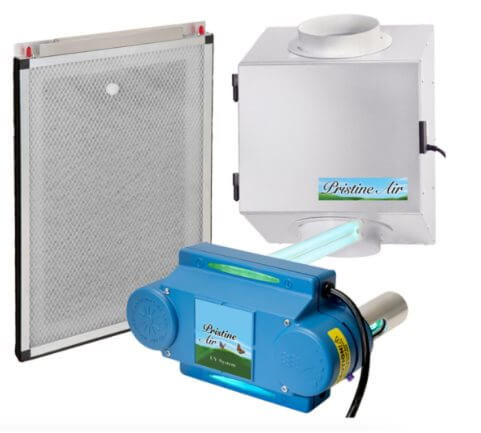
IAQ 4000
- Cleaning of the air using polarized media
- Using UVC and UVV for germicidal and oxidizing purposes
- HEPA bypassed
- 99.97% of particles between 200 and .3 microns are collected
- Cleans your air naturally and deodorizes it 24 hours a day
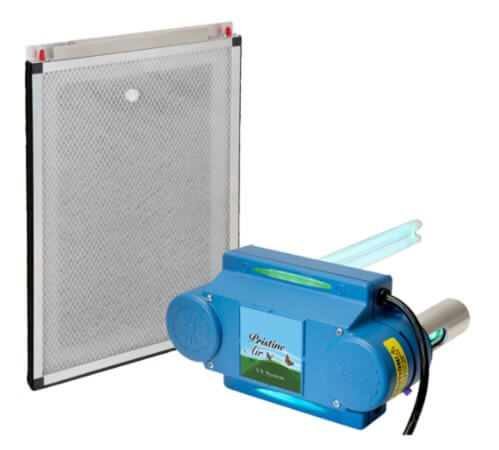
IAQ 3000
- Cleaning of the air using polarized media
- Using UVC and UVV for germicidal and oxidizing purposes
- Captures 97.0% of particles between 200 and 0.3 microns
- Cleans your air naturally and deodorizes it 24 hours a day
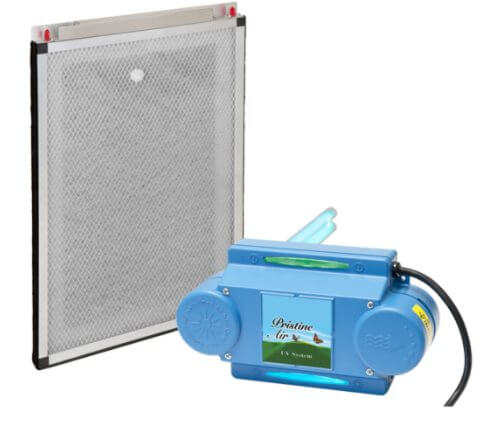
IAQ 2000
- UVC Germicidal Unit
- Cleaning of the air using polarized media
- Captures 97.0% of particles between 200 and 0.3 microns
- Cleans your air naturally and deodorizes it 24 hours a day
IAQ 1000
- Polarized Media Air Cleaner
- Collects 97.0% of particles from 200 to .3 microns
- Whole-house particle control that is excellent
- Electroplates particles to media pad from 200 – 0.3 microns in size
- Relieves allergy symptoms
- Reduces asthma attacks
- Cleans and maintains your heating and cooling system
Breathe better today with proper indoor air quality. Your lungs will thank you!
Contact Central Air Today to Improve Your Indoor Air Quality
If you want to know if your indoor air is compromising your health, you must get a professional indoor air quality test. You can count on our team of expert technicians for help! With Central Air Heating, Cooling & Plumbing, you can improve your health and prolong the life of your heating and cooling equipment.