During the summer and early fall, your cooling system worked fine. When you switched your system on the first chilly day of fall, you noticed that the heat pump cools but does not heat.
While it’s normal to be concerned about a failing reversing valve, there are other potential causes of heating problems. To help you determine the cause, you should start by considering the symptoms and when the heat pump was last able to cool your home effectively. If basic troubleshooting doesn’t solve your heating, ventilation, and air conditioning (HVAC) issue, you can reach out to Central Air Heating, Cooling & Plumbing for professional diagnostics and heat pump repairs.
Confirm That the System Is a Heat Pump
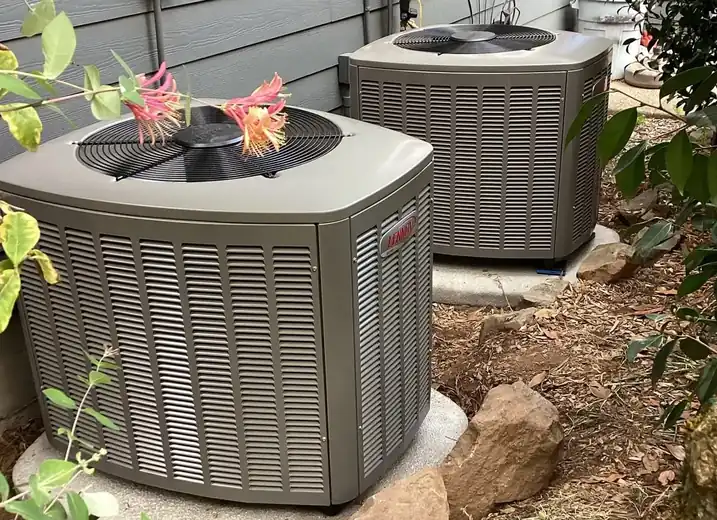
If you are dealing with a heat pump that cools but does not heat, the first step is verifying that you do have a heat pump. Both heat pumps and central air conditioners have an outdoor unit.
Some homes are designed with air conditioner and furnace setups instead of a heat pump, so check the nameplate on your equipment or your equipment manual to see what your home is equipped with. You should be able to find the manufacturer’s nameplate on the side or top of the outdoor unit. The nameplate or equipment documentation may identify the unit as a heat pump or use an abbreviation such as “HP.”
Is Heating Failing or Does the Air Just Feel Different?
If it feels like the heat pump works in cooling but not heating, it may be due to how heat pumps work. Furnaces produce hotter air than heat pumps. If you have recently replaced your furnace with a heat pump, the air may feel cooler because of this. Heat pumps produce cooler air than furnaces, so they run longer to reach the appropriate setpoint. As long as your heat pump is maintaining your desired indoor temperature, the cooler airflow is not necessarily a problem.
Normal defrost behavior also isn’t an issue. During colder weather, the heat pump may temporarily reverse its refrigerant flow to warm the outdoor coil and melt accumulated frost. During defrost mode, the system may temporarily stop delivering warm air. Some systems activate auxiliary heat to prevent cool air from blowing through the vents. Unless there is persistent ice on the outdoor unit or the airflow remains cold, defrost mode isn’t a problem.
Why Cooling Can Work When Heating Does Not
When the heat pump is actually blowing cold air in heat mode, there are a few essential problems that may be responsible. By understanding the symptoms of these issues and other heat-pump warning signs, you can figure out the cause and know when to get help.
Thermostat Settings and Recent Control Changes
To troubleshoot potential causes, first check your thermostat’s mode, temperature, and schedule. The thermostat must be in “Heat” mode, and the setpoint must be above the room temperature for the heat to kick on.
A recent thermostat replacement could also be at fault if it was installed or configured incorrectly. Incorrect heat pump settings or wiring can prevent the system from switching into heating mode. In addition, placing the thermostat in a drafty or sunlit area can cause the thermostat sensors to show an inaccurate reading, resulting in the heat not turning on.
The Components That Switch the System to Heating
If your heat pump will not switch to heat, the reversing valve could be responsible. The reversing valve switches the direction of refrigerant flow based on whether you want to heat or cool your home. When the reversing valve becomes stuck in cooling mode, the system continues transferring heat from indoors to outdoors instead of reversing the refrigerant flow to provide heating.
Other faults can cause similar symptoms, so you shouldn’t assume the reversing valve is responsible if the heat pump blows cold air after switching to heat. Through a professional heat-pump diagnosis, you can determine if your system is receiving and responding to commands. We can evaluate all of your system’s components and recommend the best course of action.
Safe Checks Before You Book a Visit
Before you book an appointment with our HVAC technicians, there are a few things you can do to safely troubleshoot the problem on your own.
- Check the Thermostat: First, see if your thermostat is currently in “Heat” mode. It should also have a setpoint that is above the displayed room temperature.
- Verify the Schedule and Hold Setting: Then, check the thermostat’s schedule. See if an active hold setting is overriding your programmed temperature schedule.
- Inspect the Filter: Check the filter and change it according to the manufacturer’s specifications. During periods of intense usage or poor air quality, you may need to change it more often than normal.
- Open the Vents: Go around your home to see if the returns and vents are open and unobstructed.
- Note Symptoms: Pay attention to how the outdoor unit is operating, any indoor temperature changes, and visible fault messages.
- Record Recent Work: Note any recent thermostat work or service. Also, record when the heat pump was last used to cool your home.
For the safety of your home, family, and HVAC system, you should not repeatedly reset the system or switch modes. Do not handle any refrigerant components or electrical systems yourself.
What a Technician Checks During a Mode-Change Diagnosis
During a professional diagnosis, our team will first confirm that the heating command is being sent and received. We will verify the system’s response and evaluate whether the heat pump is transferring heat as it is supposed to. Depending on the results of these basic tests, we may test the refrigerant pressure, electrical systems, or airflow. The results of our inspection and tests will determine which heat pump repairs we recommend.
What to Do if the Home Still Will Not Warm
If your heat pump fails to warm your home, it’s important to reach out for a professional assessment. During the interim, if your system has an emergency heat setting and the backup heating equipment is functioning, you can use it to heat your home temporarily. In systems with electric resistance backup heat, emergency heat relies on heating elements instead of the heat pump’s compressor. This can increase operating costs, so emergency heat should generally be used temporarily. To find out how this setting works, check out our article, “AUX Heat and Emergency Heat Explained.”
Find Solutions for Your Heat Pump Issues
Are you struggling with a heat pump that cools but does not heat? Our experienced HVAC technicians can help you quickly diagnose the underlying cause of your heat pump problems and decide on the best solution. We offer upfront pricing, flexible payment plans, and detailed estimates, so you’ll always know exactly what to expect.
Schedule your heat pump repairs by calling Central Air Heating, Cooling & Plumbing at 971-435-7303 today.