
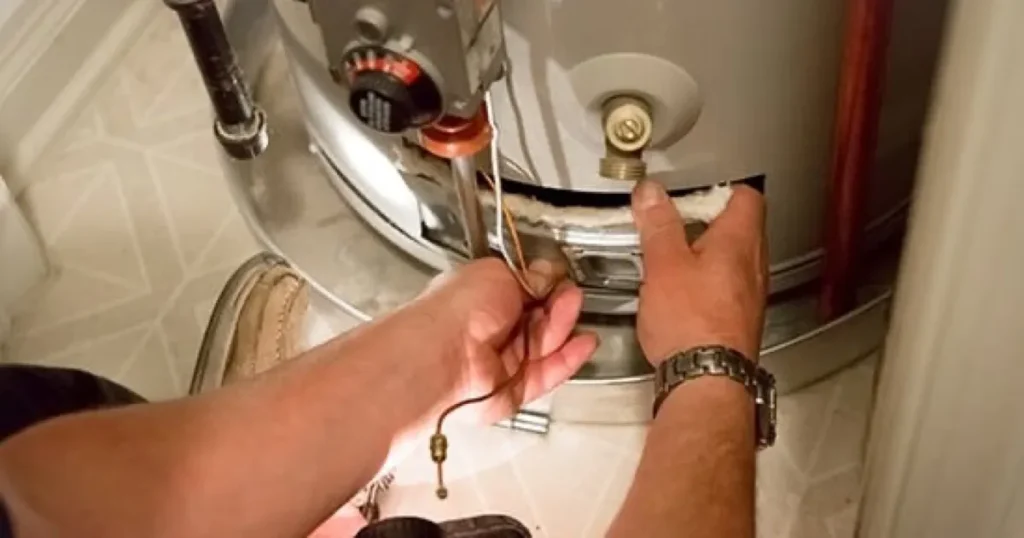
Many families contend with running out of hot water due to their reliance on traditional tank water heaters.
As more homeowners in the Pacific Northwest transition toward better energy efficiency, the popularity of tankless water heater installations is growing. Before you make the switch, it’s essential to carefully weigh the pros and cons of each water heater option.
The Case for Tankless Water Heaters
On-demand water heaters have one major difference from traditional units: they do not rely on a tank to store hot water. Instead, they heat water as it flows through the unit, giving you hot water whenever you need it. Even if household members take back-to-back showers, you never have to worry about running out.
Beyond the convenience of on-demand hot water, tankless systems offer several additional benefits:
- Space-saving design: Wall-mounted units take up far less space in Portland basements and garages, helping you maximize your square footage.
- Longer lifespan: Tankless units typically last 15 to 20 years or more, compared to 8 to 12 years for traditional tank systems.
- Energy efficiency: Because they only produce hot water when a faucet or appliance calls for it, tankless systems avoid the standby energy loss of keeping a full tank heated around the clock. This can significantly reduce your monthly energy bills.
The Case for Traditional Tank Water Heaters
While there are many advantages to a tankless installation, traditional tank units have their own strengths. One of the most important is the upfront cost. Standard water heater replacements are much cheaper than retrofitting your home for a tankless unit.
If your residence is already outfitted with a standard tank unit, the installation process is much simpler. You will not need to install new gas lines or reconfigure venting, so the overall installation is faster and less costly.
Traditional units may also be a better option for larger families. They have a higher simultaneous flow rate and are better at maintaining pressure, making it easier to run a dishwasher, shower, and washing machine at the same time without a drop in performance
Tankless vs. Traditional Water Heater: Side-by-Side Comparison
| Feature | Tankless | Traditional Tank |
| Hot Water Supply | Unlimited, on demand | Limited to tank capacity |
| Lifespan | 15-20+ years | 8-12 years |
| Upfront Cost | Higher | Lower |
| Monthly Energy Cost | Lower (no standby loss) | Higher (standby heating) |
| Space | Wall-mounted, compact | Floor space for tank |
| Flow Rate | One fixture at a time (unless sized for multi-point) | Multiple fixtures simultaneously |
| Installation Complexity | May require new gas lines or venting | Simple swap if replacing same type |
Portland Specifics: Water Quality and Rebates
Before deciding on your next electric or gas water heater upgrade, there are a few Portland-specific considerations to understand.
Bull Run Water Quality
Portland receives water from the Bull Run Watershed, which means we have soft water. This matters because hard water is the leading cause of premature failure in tankless units. Portland’s soft water gives on-demand systems a longer, more trouble-free lifespan compared to areas with hard water.
Local Incentives
Rebates are another detail to compare when weighing a tank replacement against a tankless conversion. Energy Trust of Oregon lists different offers for qualifying gas tankless models and electric heat pump water heaters. A conventional storage tank does not qualify simply because it holds hot water as a heat pump model does. Your existing equipment, utility service, and proposed installation all matter when determining which savings apply.
If you have seen federal tax credits mentioned in older water heater estimates, check the installation date. Section 25C covered eligible improvements placed in service by December 31, 2025. Under the IRS rules, a water heater installed in 2026 or later is no longer eligible for that credit. We can help you compare today’s equipment options and applicable rebates, so you have a clearer picture of the cost before making your choice.
Making the Final Decision: A Quick Checklist
Each home and family is unique, so you have to consider your family’s specific budget, space requirements, and usage patterns.
- Budget: Tankless systems offer more long-term savings but cost more upfront. Calculate potential rebates and incentives in your estimates. If you plan on moving in the near future, the lower upfront cost of a traditional unit may make more sense.
- Space: Residences with limited space benefit from a wall-mounted tankless unit. If you have room for a tank and are not concerned about a larger footprint, a traditional system works well.
- Usage: If your household frequently runs out of hot water, a tankless system eliminates that problem. However, if you regularly run multiple plumbing fixtures simultaneously and need high flow rates, a traditional tank unit may be the better fit unless you size a tankless system for multi-point demand.
If you are still uncertain, schedule a professional water heater consultation and get expert advice about the best options for your situation.
What to Look for in a Water Heater Installer
When choosing a plumber for a tankless water heater installation, look for the following:
- Expert Sizing: A qualified installer will calculate the required flow rate so the new unit matches your household’s demand. No guesswork.
- Full Service: The installer should handle gas piping, venting updates, and disposal of the old tank as part of the project.
- Local Experience: Choose a company with a track record in the Portland metro area that understands local codes, permits, and climate considerations.
FAQs About Water Heater Upgrades in Portland
To help you decide between a tankless water heater installation and a traditional water heater, we’ve compiled a list of the most frequently asked questions.
How much more expensive is a tankless water heater vs. a tank unit?
Tankless water heaters usually cost more upfront than traditional tank units. How much more depends on the model and whether your home needs changes to gas piping, venting, or electrical connections. Water heater rebates may help lower the cost if your installation qualifies. However, the federal 25C tax credit no longer applies to systems installed in 2026 or later. Schedule a consultation so our team can compare installation costs and applicable incentives for your home.
How long does a water heater replacement take?
The timeline varies based on what you are installing and what you currently have. Converting from a tank to a tankless system may take a full day because of venting and piping adjustments. Swapping out the same style of unit for another normally takes just a few hours.
What is the best water heater for Portland’s climate?
Portland’s soft Bull Run water and mild climate make both tankless and traditional systems viable. Tankless units perform especially well here because soft water minimizes scale buildup, the main cause of tankless failures in other regions. For maximum efficiency, consider a tankless or heat pump water heater paired with available Energy Trust rebates.