
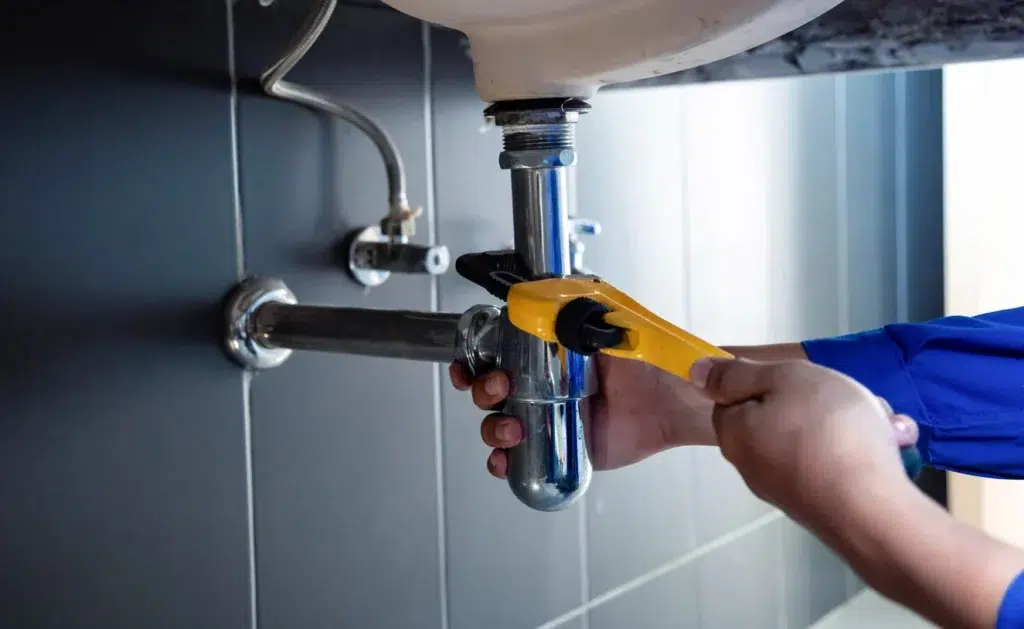
As the weather starts to warm up, Portland residents need to be proactive about their plumbing maintenance. By scheduling a spring plumbing inspection in Portland, you can save money on your water bill and prevent the need for plumbing repairs. Additionally, a timely inspection can help you catch unexpected leaks and damaged hose bibs before they lead to major water damage.
Why Spring Is a Critical Time for Portland Plumbing
While winterizing your pipes and plumbing systems can help you avoid unexpected breakdowns, it won’t prevent every potential malfunction. By performing a plumbing checkup in Portland, OR, you can spot minor issues before they escalate and avoid wasted water.
What Winter Does to Pipes, Faucets, and Water Heaters
Cold temperatures can cause pipes to burst and hose bibs to freeze. Water heaters are also placed under strain because of the colder incoming water and increased winter demand for hot water.
Portland’s Freeze-Thaw Cycles and Hidden Damage
In Portland, it is especially important to check your plumbing systems after the wintertime. Although Portland doesn’t get extremely cold for long, it does go through multiple freeze-thaw cycles. This causes pipes to expand and contract, which creates added strain on your systems. Pipes in exterior walls are more likely to freeze because of their location. Worse still, it can remain hidden until the damage becomes severe.
The 7-Point Spring Plumbing Checklist
When you request a spring plumbing inspection in Portland, our team will inspect important components to ensure your system is ready for warmer weather.
Outdoor Hose Bibs and Spigots
After a Portland winter, we commonly find hose bibs that have developed hairline cracks due to repeated freezing and thawing. However, homeowners don’t realize that this problem exists until they have to turn on the water again in the springtime.
Unfortunately, if the bib was not turned off at the interior valve, then a pipe behind the wall may also crack. This crack won’t be noticeable until you start to see water damage. By then, the costs of repairs may already be in the hundreds or thousands of dollars. Because of this, we always check hose bibs, spigots, and outdoor faucets for freeze damage during our springtime plumbing checklist.
Water Heater Flush and Anode Rod Check
During your plumbing checkup in Portland, OR, we can also flush your water heater and check the anode rod. Draining the tank is essential because it removes sediment from the bottom of the tank. If this task is not done, the sediment can form an insulating layer at the bottom of your tank. Besides making your water heater work harder than necessary, it can also lead to premature repairs and tank failure.
To decide whether a full flush is needed or not, our technician will do a water heater sediment test. They will drain a quart of water from the tank’s lower valve into a clear container. Then, the technician will examine the water for color and sediment. If there are any visible sediment particles or cloudiness, the tank will require a full flush to avoid component failure.
As a part of our water heater services, we’ll also check the anode rod. The anode is also known as the sacrificial anode. Because of its composition, it attracts metals in the water to it. By doing so, it prevents the tank from corroding and sacrifices itself instead. Because of this, it’s important to routinely check the anode rod to make sure it is fully functional.
Water Pressure Test
Your home’s water pressure should generally be between 45 PSI and 60 PSI. If it is higher than this level, it can damage your pipes. When it falls lower than this, it negatively impacts your shower and sink pressure. Additionally, low water pressure is often a sign that there is a leak somewhere in your plumbing system.
Visible Pipe Inspection
While it’s not possible to see what’s going on behind your walls or flooring, some of your pipes are in accessible areas. Our plumbers will inspect all of your pipes and fixtures for corrosion, condensation, and leaks. In particular, we will check pipes in your crawlspace or basement since these areas are more likely to experience freezing.
Drain Flow Testing
With drain flow testing, we can search for potential leaks and make sure there aren’t any obstructions in your plumbing system. For underground drain lines, hydrostatic testing is extremely useful for checking for leaks. This type of testing is important because it helps to detect plumbing issues before they escalate into major problems.
Toilet and Fixture Leak Check
As a part of our spring plumbing checklist in Oregon, we will inspect your toilet base for signs of moisture as well as any water stains. With colored dye, we can check for silent leaks and help homeowners avoid wasting water.
Sewer Line Assessment
During a comprehensive sewer line assessment, we can use a camera to inspect the line for cracks, leaks, and root intrusion. As a part of our assessment, we will perform a flow test. This involves turning on all of the fixtures at once to see how well the sewer lines are able to accommodate the influx of water. If there are signs of root intrusion, clogs, outdated pipe materials, misaligned joints, or similar problems, we can recommend the best course of action for fixing them.
What You Can Check Yourself vs. When To Call a Pro
While pressure tests and sewer line assessments should be left to the professionals, there are a few seasonal plumbing tips you can handle on your own.
- Turn on your outdoor faucets and fixtures to check for leaks or pressure problems.
- Look for visible leaks or mold odors under your sinks.
- Test your sump pump to make sure it still functions properly.
- Check the drain speed because slow drains likely indicate clogs.
You should call a professional plumber if you notice noisy pipes, low water pressure, sewer line clogs, water heater issues, or anything that has to do with your gas lines. When in doubt, it is always better to call a professional.
How a Professional Plumbing Inspection Works
When you call our team for a plumbing and water heater inspection in Portland, we’ll come out to perform a full inspection of your pipes, fixtures, water heater, sewer lines, and other plumbing components.
What Our Technicians Look For
While we are at your home, we will check the following things.
- Test your water heater for sediment buildup.
- Check your anode rod for signs of corrosion.
- Audit your water pressure.
- Look for leaks, cracks, and loose fittings on your visible pipes.
- Use cameras to check sewer lines for root intrusion and damage.
- Check for pipe corrosion and drainage problems.
While slab leak detection and more complex problems are generally handled at different appointments, our team will note any signs of plumbing problems and recommend the best course of action.
Common Problems We Find in Portland Homes
When it comes to Portland plumbing maintenance, there are a few common problems we see locally. Many of our homes use galvanized supply lines, which were common in pre-1970 homes. Unfortunately, these lines develop pinhole leaks over time. When we go through freeze-thaw cycles in the winter, these leaks often worsen.
Aging infrastructure is also more prone to leaky pipes, loose fittings, and buildup. All of these problems must be identified and addressed to prevent additional complications.
Schedule Your Spring Plumbing Inspection
Through your plumbing checkup in Portland, OR, you can ensure your system is ready for warmer weather. At Central Air Heating, Cooling & Plumbing, we have years of experience working with local homes. From pipe repairs to water heater replacements, we can manage all of your plumbing needs.
Ready to schedule your spring plumbing inspection in Portland? Call today to book your plumbing appointment.