
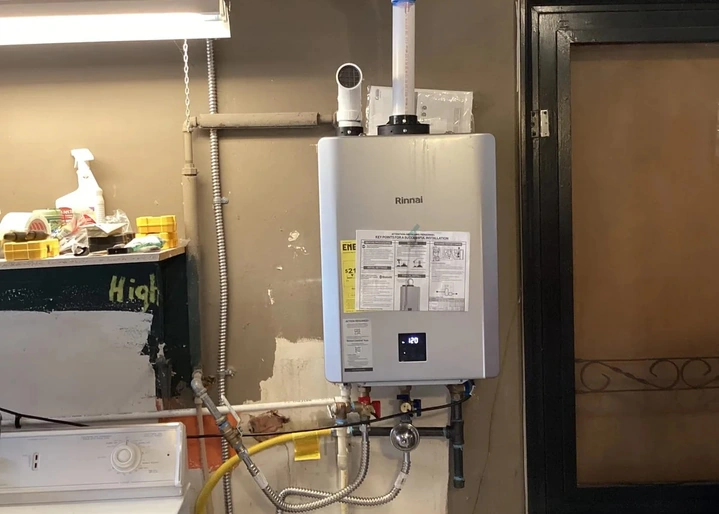
If you notice low hot water pressure, but cold is fine, it narrows down the potential cause significantly. However, there are still a few different problems that could be at fault. By considering whether one fixture or multiple fixtures are affected, you can eliminate potential causes.
Central Air Heating, Cooling & Plumbing can inspect your plumbing system to determine the source of the problem. In the meantime, you can use the following tips to understand what may be causing the issue and the diagnostic process we will use.
Is the Problem Weak Flow or Water That Will Not Get Hot?
When plumbers talk about pressure and flow, they are referring to two different things. Pressure is the force moving the water. Meanwhile, flow refers to the amount of water delivered over time.
Having a weak stream doesn’t mean that there is low measured pressure, which is why professional testing is so important. As a homeowner, you can also help by noting whether the hot-water flow is weaker than normal or whether the water is not reaching its usual temperature. If you’re dealing with a restricted stream, increasing the temperature setting will not help.
What Does the Pattern at Your Fixtures Tell You?
Before you reach out for plumbing help, there are a few ways you can narrow down the potential cause. You should note whether the change has occurred suddenly or gradually. Additionally, pay attention to whether the low pressure affects only the hot water or both the hot and cold water.
To get a better understanding of what your low hot water pressure might mean, note which of the following patterns are present.
| Observation | Likely Explanation |
|---|---|
| The flow of hot water is weak at one faucet or shower. Other fixtures function normally. | The affected fixture and its hot-water supply path are the likely sources of the issue. |
| The hot flow is weak at multiple fixtures, but the cold flow continues to function normally. | The problem may be related to the shared hot-water supply, heater connections, or hot-water distribution. |
| Both the hot and cold flow are weak. | Low pressure affecting both hot and cold water generally stems from a shared source, which needs to be investigated by a professional. Failing valves, clogged pipes, and plumbing leaks are just a few of the potential causes. |
While observing symptoms is important, you should leave additional observations to the professionals. Never test dangerously hot water by hand or attempt to disassemble valves.
Why Might Only One Faucet or Shower Have Weak Hot Flow?
Having hot water pressure low at one faucet doesn’t automatically mean that there is a problem with your entire water heater. During a plumbing inspection, one of our plumbers will assess the fixture’s hot-side supply, cartridge, or valve, depending on how the fixture is designed. We’ll use the results of the investigation to determine the source of the problem.
- Clogged Aerator: If there is enough mineral buildup, it can stop the flow of water. However, this will normally affect the cold and hot water supply.
- Worn or Clogged Cartridge: A faulty cartridge or damaged seals can cause the hot side of the cartridge to fail, limiting the amount of hot water released.
- Kinked Supply Line: Sometimes, the supply line can limit the flow of hot water if it becomes kinked or corroded.
- Partially Closed Shut-Off Valve: If a valve in an access panel or under the sink does not open fully, it can limit the flow.
- Sediment Blockage: Debris, corrosion, and other types of sediment can block supply lines.
The best option is to note any symptoms and reach out to our team. When you call, make sure to relay which fixture is affected and whether your other hot-water fixtures are functioning normally.
Why Might Hot Flow Be Weak at Several Fixtures?
If you noticed low hot water pressure, but cold is fine, there are multiple causes that could be responsible. When multiple fixtures are affected, the source is farther back along the fixtures’ shared supply path. After you reach out for water-heater diagnosis and repair, one of our plumbers can inspect the valves and connections serving the water heater. We’ll also look at restrictions in your hot-water distribution and your other installed components.
When multiple fixtures are affected, the problem may involve restricted water delivery or insufficient water heating. Restrictions in the hot-water supply can reduce flow, while heating-system failures can prevent the water from reaching the desired temperature without necessarily affecting its flow. For example, a burner failure, an aging tank, or sediment in the water heater can inhibit the heating of water. Similarly, the thermostatic mixing valve can fail and choke off the amount of hot water that is sent to your home.
If your home has recently had a new installation or service, you should mention it when you schedule an appointment. Sometimes, the timing of services can help us locate the issue.
Will Flushing the Water Heater Restore Hot-Water Pressure?
While flushing the water heater is an important part of your home’s plumbing maintenance, it will not work as a universal solution to low hot water flow throughout your house. A water-heater flush involves flushing the current water and sediment in the tank out. If sediment buildup is the cause of your hot-water problems, then a flush may help. For many other causes involving fixtures, valves, and distribution restrictions, it will not help.
As a homeowner, it helps to know what a water-heater flush involves. This activity is normally performed once or twice a year, based on the condition of the tank and the home’s water hardness. It involves shutting off the water heater’s gas or electricity, turning off its water supply, attaching a hose that connects outdoors, and draining the tank. By doing this, sediment at the bottom of the tank can be removed.
Performing a water-heater flush can extend the lifespan of your equipment. By avoiding an insulating layer of sediment on the bottom of the tank, you can also improve your energy efficiency. However, flushing will only improve hot-water flow if sediment buildup is obstructing the water’s path. Sediment that has accumulated at the bottom of the tank primarily affects heating performance rather than water pressure.
What Should You Tell a Plumber, and When Should You Call?
While some problems can be dealt with on your own, other issues will require professional help. Remember to relay the following information when you reach out for help.
- Note which fixtures have weak hot flow and which ones continue to function normally.
- Tell the plumber whether the cold flow is normal or not.
- Pay attention to whether the problem occurred gradually or suddenly.
- Remember to tell the plumber if any recent work has been done, such as a heater installation, maintenance, or fixture replacement.
- Discuss any visible leaks or changes in water temperature.
You should always reach out for service if you have a problem that persists or affects multiple fixtures. Give us a call right away if you notice a visible leak or the issue occurs after work has been performed.
Schedule Your Plumbing Inspection and Repairs
Struggling with low hot water pressure, but your cold is fine? Our team of experienced plumbers can help you diagnose a hot-water flow problem. At Central Air, our team offers same-day services and a money-back guarantee. Once we’ve determined the source of the problem, we’ll walk you through our recommended repair solution and answer all of your questions.
Reach out to Central Air Heating, Cooling & Plumbing at 971-435-7303 to book your next plumbing repair.