
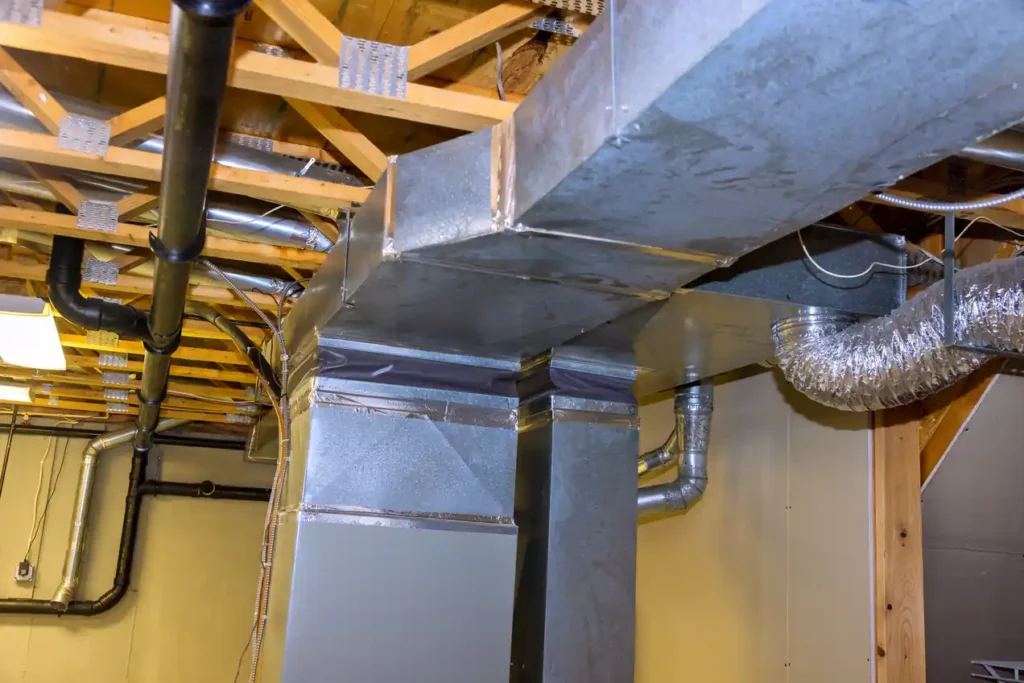
In many homes, it’s common to have one bedroom that is unusually cold or stuffy. Uneven performance, extra dust, and musty odors are all signs that you may have ductwork problems in Portland. By getting your heating, ventilation, and air conditioning (HVAC) system checked out, you can prevent this problem from impacting your family’s comfort and health.
Why Your Ducts Matter More Than You Think
Although ducts might look like air tubes, their simple design belies their importance for your HVAC system. These essential components are responsible for transferring conditioned air throughout your home. If they aren’t working properly, it will affect the airflow and comfort in your entire house.
How Ductwork Affects Cooling Performance
In the typical home, around 20% to 30% of conditioned air is lost through duct leaks. These lead to HVAC airflow problems and force your AC to work harder to achieve the same temperature. Besides resulting in higher energy bills and worse performance, the added workload can lead to unexpected AC repairs. On the hottest days of the year, your HVAC system may be unable to keep up.
Why Portland Crawlspaces Create Unique Duct Problems
When we go under a 1970s ranch in the Milwaukie neighborhood, we often find the original fiberglass-lined sheet metal ducts that came with the home. Along the ducts, we’ll see rodent damage and failed tape joints. Meanwhile, the flex duct that runs to additions tends to have kinks at sharp bends, which cuts the airflow to those spaces by half.
Our team understands ductwork problems in Portland because we’ve seen them firsthand. Diagnosing airflow issues and spotting duct leaks matters for your energy efficiency, which is why it’s so important to schedule routine maintenance with a professional who understands area homes.
Five Ductwork Problems That Get Worse in Summer
During summertime, you’re more likely to notice the following ductwork problems. If you experience the following symptoms, we recommend reaching out to our team for duct repairs in Portland.
1. Disconnected or Crushed Flex Ducts
Often, we will discover disconnected ducts in attics and crawlspaces. Crushed flex ducts are also a common problem. Once ducts become disconnected or crushed, they can allow conditioned air to escape and result in worse airflow in your home. For many homeowners, one of the earliest signs of a problem is a higher heating and cooling bill.
2. Deteriorated Insulation and Condensation
Ductwork needs to be insulated to prevent heat loss and gain. By protecting the ducts from air temperature differences, you also prevent condensation from forming. Drastic differences in hot and cold air can turn water vapor into a liquid.
Over time, this added condensation can lead to mold and mildew. If there are any holes in your ducts, mold and mildew can get into your ductwork and your home. By getting duct sealing in Oregon and replacing deteriorated insulation, you can prevent these issues from harming your family’s respiratory health and overall comfort.
3. Undersized Returns and Restricted Airflow
Sometimes, a return will be too small. It may also get blocked by furniture, curtains, or other items. When this happens, it restricts the amount of airflow entering your system.
Besides making your system work harder, this can cause it to be noisier and less effective. The added workload increases wear on the unit’s components, which can eventually cause premature wear and more frequent repairs.
4. Gaps at Connections and Register Boots
Leaks can occur where the ductwork connects to the register boots, air handler, or furnace. Joints can also develop gaps, allowing conditioned air to escape.
No matter how the gaps form, the result is air leakage and reduced energy efficiency. As long as the repairs aren’t significant, this type of gap can often be repaired manually by experienced HVAC technicians.
5. Ductwork Routed Through Unconditioned Spaces
Anytime ductwork travels through an unconditioned space, there is a potential for heat loss and gain. Poorly insulated attics are notorious for being excessively hot in the summer and frigid in the winter. When ducts pass through this space, they can quickly lose or gain heat because of the extreme temperature difference.
The best way to avoid this problem is by running your ducts through conditioned spaces whenever possible. However, many Portland homes already have their ductwork installed. For places with existing ducts, insulation is the best approach. By properly insulating the ducts, you can prevent heat loss and gain from taking place throughout the year.
How To Tell if Your Ducts Are the Problem
If you’re dealing with leaky ducts in Portland, OR, you’ll hear whistling or hissing noises near the registers. In comparison, your HVAC system will make a whooshing noise during normal operations. You should also consider the presence of dust, higher energy bills, musty odors, and unexplained temperature differences.
Room-by-Room Temperature Differences
You may need an air duct inspection in Portland if your room temperatures are uneven. This indicates that air isn’t reaching every room, and duct-related issues are the most likely cause. As soon as you notice uneven cooling in a Portland home, it’s a good idea to reach out for professional AC maintenance and repairs.
Excessive Dust, Musty Smells, and Rising Bills
When ducts develop leaks, the pressure difference allows dust to get in. Besides negatively impacting your indoor air quality, this can also cause increased dust around the vents and in your home. Leaking, damp air can also contribute to mold growth in your ducts, resulting in musty odors.
Additionally, leaky ducts can increase your energy costs significantly. When conditioned air escapes, it must be replaced. This causes your HVAC system to work harder and longer, raising your utility bills.
What Happens During a Professional Duct Inspection
Once you reach out about your leaky ducts in Portland, OR, our team will quickly work to perform an inspection and run tests to diagnose the problem. Then, we can seal and replace ducts as needed.
Visual Inspection, Pressure Testing, and Airflow Measurement
In addition to visually inspecting your ducts for obvious gaps, kinks, and damage, we’ll also use pressure and airflow tests to discover pinhole leaks. With the National Comfort Institute (NCI) airflow testing methodology, we can see how well the British Thermal Units (BTUs) delivered to each room match up with how your system is designed. Then, we can find and fix the ductwork problems that are causing poor airflow.
Repair, Seal, or Replace: Which Option Is Right?
If you are dealing with duct leaks, the next step is determining the best way to fix them. For minor leaks, you’ll likely want to schedule duct sealing in Oregon.
While sealant is incredibly effective for treating pinhole leaks, repairs are incredibly effective when you’re dealing with localized damage and visible punctures. We can also repair disconnected joints. If the problem is extensive or your ducts are already 15 to 20 years old, getting a new duct installation is generally the best course of action.
Schedule Your Ductwork Inspection Before Summer
By being proactive about ductwork problems in Portland, you can make sure your home is ready for the summertime. Scheduling flexibility and availability start to drop during the busy season, so it’s important to get your repairs and maintenance work done early.
Learn more about how to deal with leaky ducts in Portland, OR, by giving us a call today.